
Showing 1–6 of 9 results
-
Alkanes (Digital Notes)
Read moreAlkanes are organic compounds that consist of single-bonded carbon and hydrogen atoms. The formula for Alkanes is CnH2n+2, subdivided into three groups – chain alkanes, cycloalkanes, and the branched alkanes.
-
Alkenes (Digital Notes)
$100.00 Add to cartAlkenes are hydrocarbons that contain at least one carbon-carbon double bond (C=C). They are unsaturated compounds, meaning they can react with hydrogen, halogens, and other molecules to form new compounds. Alkenes are commonly found in various industrial processes and are key building blocks in organic chemistry, with ethene (ethylene) and propene being the simplest and most well-known examples.
-
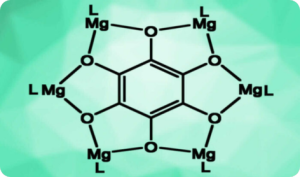
Arenes (Digital Notes)
$100.00 Add to cartArenes are aromatic hydrocarbons. The term “aromatic” originally referred to their pleasant smells (e.g., from cinnamon bark, wintergreen leaves, vanilla beans and anise seeds), but now implies a particular sort of delocalized bonding. Aromatic hydrocarbons (or sometimes called arenes or aryl hydrocarbon) are hydrocarbons with sigma bonds and delocalized π electrons between carbon atoms forming rings.
-
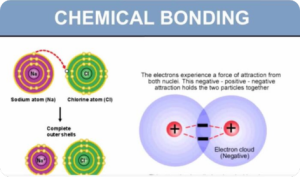
Chemical Bonding (Digital Notes)
$300.00 Add to cartChemical bonding is the interactions that account for the association of atoms into molecules, ions, crystals, and other stable species that make up the familiar substances of the everyday world.
-
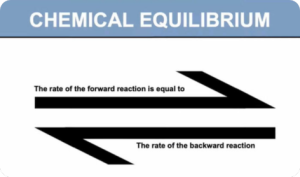
Chemical Equilibria (Digital Notes)
$100.00 Add to cartIn a chemical reaction, chemical equilibrium is the state in which both the reactants and products are present in concentrations which have no further tendency to change with time, so that there is no observable change in the properties of the system. This state results when the forward reaction proceeds at the same rate as the reverse reaction.
-
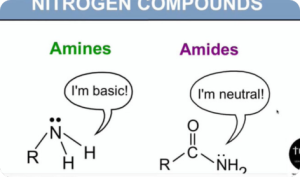
Nitrogen Compounds (Digital Notes)
$150.00 Add to cartNitrogen compounds such as urea, amine and guanidine are used to denature proteins, hence their antimicrobial properties. One special form of nitrogen compounds for antimicrobial treatment is the so-called quats or quaternary ammonium salts. These molecules have a positive charge, attracting the negatively charged cell membrane of microorganisms.