
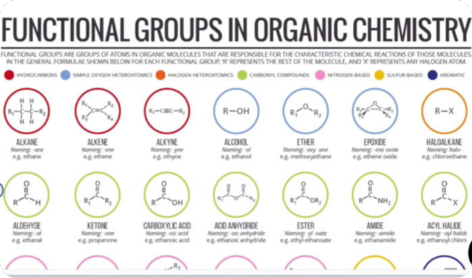
Introduction to Organic Chemistry (Stereoisomerism)
Related products
-
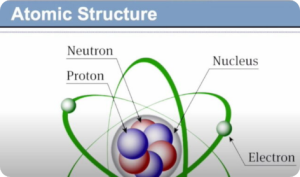
Atomic Structure (Digital Notes)
$100.00 Add to cartAtomic structure refers to the structure of an atom comprising a nucleus (centre) in which the protons (positively charged) and neutrons (neutral) are present. The negatively charged particles called electrons revolve around the centre of the nucleus.
-
Alkenes (Digital Notes)
$100.00 Add to cartAlkenes are hydrocarbons that contain at least one carbon-carbon double bond (C=C). They are unsaturated compounds, meaning they can react with hydrogen, halogens, and other molecules to form new compounds. Alkenes are commonly found in various industrial processes and are key building blocks in organic chemistry, with ethene (ethylene) and propene being the simplest and most well-known examples.
-
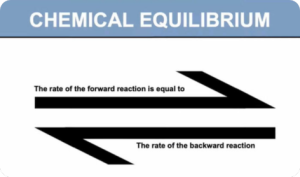
Chemical Equilibria (Digital Notes)
$100.00 Add to cartIn a chemical reaction, chemical equilibrium is the state in which both the reactants and products are present in concentrations which have no further tendency to change with time, so that there is no observable change in the properties of the system. This state results when the forward reaction proceeds at the same rate as the reverse reaction.
-
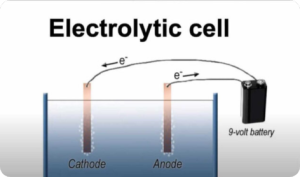
Electrolysis (Digital Notes)
Read moreElectrolysis is a process that involves the use of an electric current to drive a chemical reaction. It is a fundamental process in chemistry and is used in a wide range of applications, including the production of metals, the purification of chemicals, and the generation of electricity.