
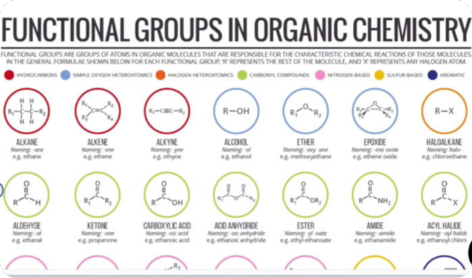
Introduction to Organic Chemistry (Stereoisomerism)
Related products
-
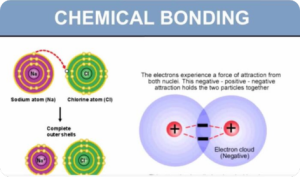
Chemical Bonding (Digital Notes)
$300.00 Add to cartChemical bonding is the interactions that account for the association of atoms into molecules, ions, crystals, and other stable species that make up the familiar substances of the everyday world.
-
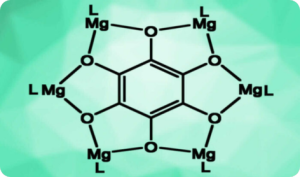
Arenes (Digital Notes)
$100.00 Add to cartArenes are aromatic hydrocarbons. The term “aromatic” originally referred to their pleasant smells (e.g., from cinnamon bark, wintergreen leaves, vanilla beans and anise seeds), but now implies a particular sort of delocalized bonding. Aromatic hydrocarbons (or sometimes called arenes or aryl hydrocarbon) are hydrocarbons with sigma bonds and delocalized π electrons between carbon atoms forming rings.
-
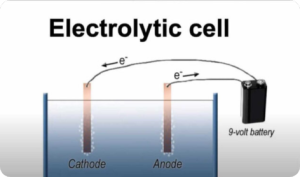
Electrolysis (Digital Notes)
Read moreElectrolysis is a process that involves the use of an electric current to drive a chemical reaction. It is a fundamental process in chemistry and is used in a wide range of applications, including the production of metals, the purification of chemicals, and the generation of electricity.
-
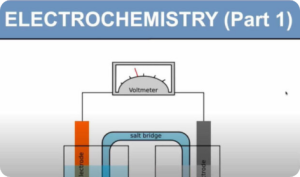
Electrochemical Cell (Digital Notes)
$150.00 Add to cartAn electrochemical cell is a device that can generate electrical energy from the chemical reactions occurring in it, or use the electrical energy supplied to it to facilitate chemical reactions in it.